
The rise of zero-click searches is reshaping the SEO landscape. With more users getting their answers directly from search results via featured snippets, People Also Ask boxes, and knowledge panels. Websites are facing a new challenge: how to drive value when no click occurs.
In this post, we’ll analyze the impact of zero-click searches and offer practical strategies to capture and retain user attention right within the SERPs without sacrificing long-term engagement or brand authority.
What Are Zero-Click Searches?
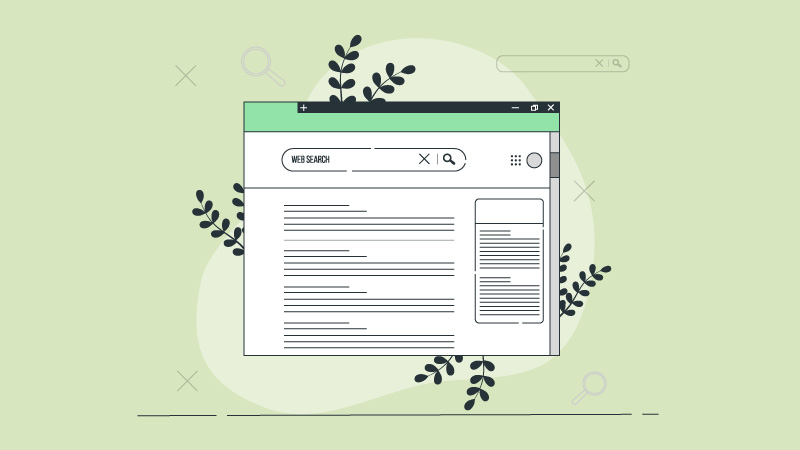
Zero-click searches happen when a user’s query is answered directly on the search results page, eliminating the need to visit a website.
Examples include:
- Featured snippets (answer boxes)
- People Also Ask (PAA)
- Knowledge panels
- Definitions and calculations
- Local packs with maps or business hours
According to Semrush (2024), nearly 57% of mobile and 48% of desktop searches result in zero clicks.
Why Zero-Click Searches Matter to SEO
Zero-click doesn’t mean zero value, but it does mean SEOs must adapt. While these searches reduce direct traffic, they present new opportunities to:
- Boost brand visibility
- Establish topical authority
- Engage users earlier in the journey
The goal shifts from simply earning a click to owning the moment of the search.
Strategies to Win in a Zero-Click World
1. Optimize for Featured Snippets
Google chooses featured snippets based on clear, concise answers to popular questions.
How to earn them:
- Identify question-based queries using tools like AlsoAsked or Semrush
- Use headers (H2/H3) and 40–60 word answer blocks
- Format content as lists, tables, or definitions when relevant
Learn more about Search Intent Analysis.
2. Create Content That Serves Instant Answers
Write content with front-loaded value. If users can’t find what they want in the first paragraph, they’ll bounce or never click at all.
Tips:
- Open with a TL;DR summary
- Use structured data to help Google parse content
- Add an FAQ section at the bottom
3. Leverage Schema Markup
Schema helps Google display enhanced results, think stars, FAQs, and more.
Add markup for:
- FAQs
- Products (with reviews)
- How-to steps
- Local business info (NAP, hours)
This increases your footprint on the SERP even without a click.
4. Brand Every Impression
If users don’t click, make sure they remember who you are.
Tactics:
- Mention your brand within your snippet answer
- Use branded visuals in images that can appear in SERPs
- Create consistent meta descriptions and page titles that reinforce your identity
5. Win in ‘People Also Ask’ Boxes
PAA boxes often generate more visibility than a top ranking, especially when your answer appears for multiple questions.
How to optimize:
- Answer common follow-up questions within your content
- Use collapsible FAQs to serve these answers in context
- Track which PAA questions your competitors are answering
6. Prioritize Mobile & Voice Optimization
Zero-click is even more prevalent on mobile and voice devices, where answers are read aloud or summarized.
Optimize for:
- Short, natural-sounding phrases
- Conversational questions (e.g., “What’s the best…”)
- Page speed and mobile UX
7. Drive Brand Recall Through Rich Snippets
Use eye-catching metadata like:
- Emojis (where appropriate)
- Star ratings
- Product availability or price
These enhance SERP appearance and pull the eye, even without a click.
8. Re-Engage via Retargeting & Email
Even if the search doesn’t lead to a click, your brand may now be on the radar.
Next step:
- Retarget users via display ads or social
- Capture leads earlier with high-value lead magnets
- Encourage newsletter subscriptions within every piece of content
Metrics to Watch in a Zero-Click Landscape
Clicks aren’t the only metric that matters anymore. Instead, track:
- Impressions & SERP visibility (via Google Search Console)
- Featured snippet ownership
- Brand mentions in PAA or AI-generated answers
- Direct traffic lifts over time (from brand recall)
Conclusion
Zero-click searches aren’t the end of SEO; they’re the evolution of it. By adapting your strategy to focus on visibility, trust, and branded engagement directly in the SERPs, you can stay top-of-mind even without a click. Whether through featured snippets, schema markup, or memorable metadata, your ability to provide fast, credible value will define your search success in a zero-click world.