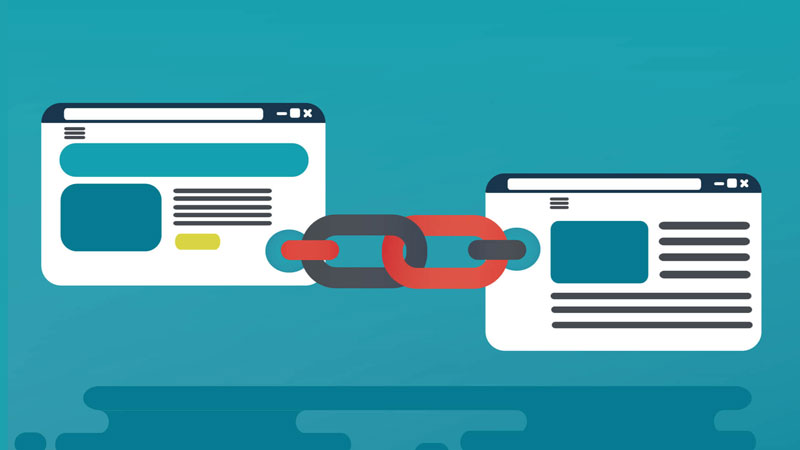

Internal linking plays a pivotal role in SEO, encompassing the practice of connecting different pages within your website under the same domain. It helps search engines understand the structure of your website, establish the hierarchy of pages, and determine the relative importance of different pages.
Additionally, internal linking improves user experience by guiding visitors to relevant and related content. Thereby, it increases the time they spend on your site.
Here are the importance and best practices to consider when it comes to internal linking for SEO.
What is Internal Linking for SEO
Internal linking for SEO refers to the practice of creating hyperlinks within your website’s content that connect one page of your site to another page within the same domain. These links help users navigate between different pages and sections of your website. They also play a significant role in how search engines understand and rank your website’s content.
Importance of Internal Linking: Why It Matters?
Internal linking is the practice of connecting one page on your website to another page within the same domain. It is one of the most effective on-page SEO techniques because it helps both search engines and users navigate your website more efficiently.
1. Helps Search Engines Discover and Index Pages
Search engine crawlers follow links to find content. When important pages are linked from other relevant pages, search engines can discover and index them faster.
Example:
If you publish a new SEO guide, linking to it from existing blog posts increases the likelihood that search engines will find and crawl it quickly.
2. Distributes Page Authority
Internal links pass authority (sometimes called “link equity”) throughout your website. Pages with strong backlink profiles can help boost the ranking potential of other important pages through strategic internal linking.
Example:
A blog post that has earned several backlinks can link to a service page, helping that service page gain more SEO value.
3. Improves Website Structure
A well-planned internal linking strategy creates a clear site hierarchy. This helps search engines understand:
- Which pages are most important
- How topics are related
- The overall structure of your website
4. Enhances User Experience
Internal links guide visitors to relevant content, encouraging them to explore your website further.
Benefits include:
- Longer session duration
- Lower bounce rates
- Better engagement
- Easier navigation
5. Establishes Topical Relevance
Internal links help search engines understand the relationship between content pieces.
For example, if multiple articles about:
All links to a comprehensive “SEO Guide,” search engines may view that guide as an authoritative resource on SEO.
6. Supports Conversion Goals
Strategic internal links can direct users toward valuable pages such as:
- Service pages
- Product pages
- Contact forms
- Lead magnets
- Consultation booking pages
This helps turn informational traffic into leads or customers.
7. Reduces Orphan Pages
Orphan pages are pages with no internal links pointing to them. These pages are harder for users and search engines to find.
Regular internal linking ensures that important content remains accessible and discoverable.
Best Practices for Internal Linking
Internal linking is a powerful SEO strategy that, when executed properly, can enhance both the search engine visibility and user experience of your website. By following these best practices, you can effectively leverage internal linking to improve your site’s performance in search engine rankings and engagement metrics.
- Use Descriptive Anchor Text: Anchor text is the readable and interactive text of a hyperlink. This text should provide a clear and pertinent description of the content on the linked page while steering clear of generic terms like “click here.”
- Relevance and Context: Link relevant pages together to provide users with additional information on a topic. The linked pages should have a logical connection, and the link should make contextual sense.
- Natural Placement: Internal links should be placed naturally within the content. Avoid overloading pages with too many links, as it can make the content appear spammy.
- Hierarchy and Structure: Establish a coherent page hierarchy for your website. Use top-level pages to link to subcategory pages, and those subcategory pages to link to specific content pages.
- Useful Navigation: Include a clear and well-organized navigation menu that allows users to easily find and navigate between different sections of your site.
- Broken Links and Redirects: Regularly audit your internal links to ensure they are working properly. Fix any broken links and set up redirects for pages that have been moved or deleted.
- Link Depth: Try to keep important pages within a few clicks from your homepage. The deeper a page is in your site’s structure, the less SEO value it might receive.
- Variety in Anchor Text: Use a variety of anchor text that reflects the different keyword variations you want to rank for. This helps search engines understand the content of the linked pages.
- Sitemaps: Include an XML sitemap on your site to help search engines understand the overall structure and hierarchy of your content.
- Contextual vs. Footer Links: Contextual links within the main content area of a page generally hold more SEO value than links placed in footers or sidebars.
Extra Internal Linking Hygiene You Should Never Ignore:
- Remove redirect chains. If Page A → B → C, then change it to A → C directly.
- Fix broken links (404s). Dead ends hurt both UX and crawlability.
- Minimize crawl depth. Important pages should be reachable within a few clicks.
- Use strong, descriptive anchors. No more “click here” – use relevant text like “Best on-page SEO checklist”.
- Identify unlinked or underlinked pages and add internal references to them.
- Fix orphan pages by connecting them with contextual parent pages.
- Never use UTM tags for internal links – it breaks analytics and splits sessions.
SEO Benefits of Internal Linking at a Glance
| Benefit | Impact |
|---|---|
| Better crawling | Helps search engines find pages |
| Faster indexing | New content gets discovered sooner |
| Authority distribution | Passes SEO value across pages |
| Improved rankings | Strengthens important pages |
| Better UX | Helps visitors navigate |
| Increased engagement | Encourages deeper site exploration |
| Higher conversions | Guides users to key pages |
Conclusion
Internal linking is a fundamental SEO strategy that helps both search engines and users navigate, understand, and engage with your website’s content effectively. Properly executed internal linking can positively impact your site’s search engine rankings and user engagement metrics.