
Search Engine Optimization (SEO) is one of the most effective digital marketing strategies for generating long-term, sustainable website traffic. Whether you’re a business owner, marketer, blogger, or content creator, understanding how SEO works can help you reach more people without relying solely on paid advertising.
Every day, billions of searches are performed on Google by users looking for answers, products, services, and solutions. Appearing in those search results can significantly increase your visibility, attract qualified visitors, and build trust with your audience. That’s exactly where SEO comes in.
But modern SEO is about much more than adding keywords to a webpage. Search engines have become increasingly sophisticated, prioritizing content that genuinely helps users while providing an excellent browsing experience. Successful SEO now combines high-quality content, technical website optimization, topical authority, user experience, and credibility.
In this comprehensive guide, you’ll learn what search engine optimization is, why the importance of SEO continues to grow, how search engines rank websites, and how to develop an SEO strategy that delivers lasting results.
What Is Search Engine Optimization?
Search Engine Optimization (SEO) is the process of improving a website so that it ranks higher in organic search engine results for relevant queries. The goal is to increase visibility, attract qualified visitors, and generate consistent traffic without paying for every click.
Think of Google as the world’s largest digital library. Every webpage published online is like a book waiting to be organized. Google’s job is to read, categorize, and recommend the most useful pages whenever someone performs a search.
SEO helps Google answer important questions such as:
- What is this page about?
- Is the information accurate and trustworthy?
- Does it answer the user’s question better than competing pages?
- Is the website secure, fast, and easy to use?
- Do other reputable websites trust this content?
When your website consistently provides the best answers to these questions, it has a much better chance of appearing near the top of search results.
Instead of purchasing advertisements, SEO focuses on making your website the best possible answer to a user’s search. This involves optimizing your content, improving technical performance, building authority, and ensuring search engines can easily understand and index your pages.
For example, imagine you own a local bakery. If someone searches for “best birthday cakes near me” or “custom cakes in Dhaka,” effective SEO helps your website appear prominently in those search results. The higher your pages rank, the more likely users are to visit your website and become customers.
Unlike paid advertising, where traffic stops once your budget runs out, SEO can continue driving visitors for months or even years after your content is published. That’s why many businesses consider SEO one of the highest-return marketing investments available.
How Search Engines Work
To understand why SEO matters, it’s important to know how search engines discover and rank websites.
Although Google’s ranking systems involve hundreds of signals, the overall process can be simplified into four key stages.
1. Crawling
Search engines use automated programs, often called crawlers or spiders, to discover new and updated pages across the web.
These crawlers follow links from one page to another, continuously exploring websites to find fresh content. If your website has a clear structure and strong internal linking, crawlers can navigate it more efficiently.
Learn more about Google Crawling.
2. Indexing
After discovering a page, search engines analyze its content and determine whether it should be stored in their index.
The index is essentially a massive database containing billions of webpages. Pages that aren’t indexed generally cannot appear in search results.
Several factors can prevent indexing, including duplicate content, technical errors, poor site architecture, or pages blocked by robots.txt or noindex tags.
Learn more about Google Indexing.
3. Understanding Content
Once a page is indexed, search engines evaluate what the content is actually about.
Modern search engines no longer rely solely on exact-match keywords. Instead, they use natural language processing, semantic analysis, and entity recognition to understand topics, relationships, and user intent.
For example, a high-quality article about “search engine optimization” should naturally cover related concepts such as:
- Organic search
- Keyword research
- Technical SEO
- Content optimization
- Backlinks
- User experience
- Search intent
- Website authority
Covering related topics helps search engines understand your content more comprehensively while improving topical authority.
4. Ranking
Finally, when someone performs a search, Google’s algorithms evaluate thousands or even millions of relevant pages before deciding which results deserve the highest positions.
Ranking decisions consider many factors, including:
- Content quality and usefulness
- Relevance to the search query
- Website authority
- Page experience
- Mobile usability
- Loading speed
- Internal linking
- Backlink profile
- Search intent satisfaction
The pages that provide the most helpful and trustworthy answers generally have the greatest opportunity to rank highly.
SEO aims to improve each stage of this process, making it easier for search engines to discover, understand, trust, and recommend your content.
Why Is SEO Important?
The importance of SEO extends far beyond improving rankings. It helps businesses build sustainable online visibility, attract qualified visitors, and establish long-term authority within their industry.
Unlike many marketing channels that require ongoing advertising spend, SEO creates assets that continue generating traffic long after they’re published. A well-optimized page can attract visitors for years with regular updates and maintenance.
Here are some of the biggest reasons why SEO remains one of the most valuable digital marketing investments.
1. SEO Increases Organic Visibility
Every search begins with someone looking for information, a product, or a solution.
Ranking on the first page places your business directly in front of people actively searching for what you offer. The higher your visibility, the greater your opportunity to attract qualified visitors without paying for every click.
2. SEO Builds Trust and Credibility
People naturally trust websites that appear at the top of search results.
While rankings aren’t endorsements from Google, users often associate higher-ranking pages with expertise, authority, and reliability. Publishing accurate, helpful, and well-researched content strengthens your reputation over time.
Google also evaluates signals related to Experience, Expertise, Authoritativeness, and Trustworthiness (E-E-A-T), making credibility an increasingly important part of modern SEO.
3. SEO Drives Highly Targeted Traffic
One of SEO’s greatest strengths is attracting users with clear intent.
Unlike display advertising that interrupts users, SEO connects your website with people who are already searching for answers.
Someone searching for “technical SEO audit checklist” is far more likely to engage with a detailed guide than someone who randomly sees an advertisement.
This intent-driven traffic often leads to higher engagement, stronger conversion rates, and better long-term business outcomes.
4. SEO Delivers Long-Term ROI
Paid advertising stops generating traffic as soon as your budget ends.
SEO works differently.
Although it requires time and consistent effort, optimized content can continue generating visitors month after month, making it one of the most cost-effective marketing strategies available.
Many businesses receive the majority of their leads from articles published years earlier that continue ranking for valuable keywords.
5. SEO Improves User Experience
Modern SEO is closely connected with user experience.
Search engines reward websites that load quickly, work well on mobile devices, are easy to navigate, and provide helpful content.
Improving your SEO often leads to improvements in usability, accessibility, and overall customer satisfaction.
6. SEO Supports Every Stage of the Customer Journey
Not every visitor is ready to make a purchase immediately.
Some users begin by researching a topic, while others compare products or look for reviews before making a decision.
An effective SEO strategy allows your website to appear throughout the entire customer journey, from initial awareness to final conversion.
By creating content that answers questions at every stage, you increase opportunities to earn trust and guide visitors toward becoming customers.
7. SEO Is More Important Than Ever in the Age of AI
Artificial intelligence is changing how people search for information, but it hasn’t replaced SEO. Instead, it has expanded its role.
AI-powered search experiences still rely on authoritative, accurate, and trustworthy websites as their primary sources of information.
Whether users search through Google, AI Overviews, ChatGPT, Gemini, or other AI assistants, high-quality SEO remains the foundation of online visibility.
Businesses that consistently publish helpful content, build topical authority, and demonstrate expertise are better positioned to earn visibility across both traditional search engines and AI-powered search experiences.
Understanding the importance of SEO today means recognizing that optimization is no longer just about rankings. It’s about becoming the most trusted and useful source of information wherever your audience searches.
The Four Core Pillars of Search Engine Optimization
Successful SEO isn’t achieved through a single tactic. It requires multiple disciplines working together to improve your website’s visibility, authority, and user experience.
Think of SEO as building a house. High-quality content is the structure, technical SEO is the foundation, backlinks strengthen its reputation, and user experience makes it enjoyable to visit. Weakness in any one area can limit your overall performance.
The four primary pillars of search engine optimization are:
- On-Page SEO
- Off-Page SEO
- Technical SEO
- Local SEO (for businesses targeting specific geographic areas)
Each plays a unique role in helping search engines understand, trust, and rank your website.
1. On-Page SEO
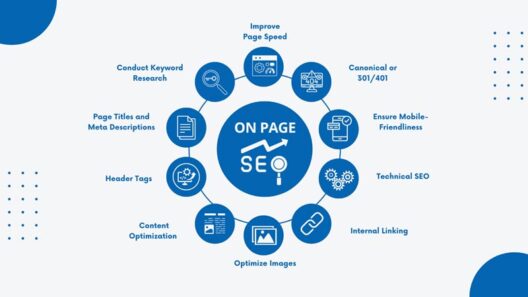
On-page SEO refers to everything you optimize directly on your website to improve its relevance for search engines and usefulness for visitors.
Unlike off-page SEO, which focuses on building authority through external signals, on-page SEO is entirely under your control.
A well-optimized page makes it easier for search engines to understand your content while providing an excellent experience for readers.
A. Keyword Optimization
Keywords help search engines understand what your content is about. However, modern SEO is no longer about repeating the same phrase multiple times.
Instead, focus on naturally incorporating your primary keyword alongside related terms and entities that support the topic.
For example, an article targeting “what is search engine optimization” should naturally include related concepts such as:
- Organic search
- Search intent
- Technical SEO
- Content optimization
- Backlinks
- Google Search
- Website rankings
This semantic approach creates stronger topical relevance while improving readability.
B. Create Helpful, Original Content
Google’s goal is to rank content that genuinely helps users.
Rather than rewriting information already available elsewhere, aim to provide unique value by sharing:
- Practical examples
- Personal experience
- Original insights
- Step-by-step tutorials
- Case studies
- Statistics from trusted sources
- Actionable recommendations
The more useful your content is, the more likely it is to earn backlinks, engagement, and higher rankings.
C. Optimize Page Titles and Headings
Your page title is often the first thing users see in search results.
An effective title should:
- Clearly describe the page
- Include the primary keyword naturally
- Encourage clicks without using misleading clickbait
Headings also help organize information for both readers and search engines.
Using descriptive H2 and H3 headings improves readability while making your content easier to understand.
D. Improve Internal Linking
Internal links connect related pages across your website.
They help:
- Guide visitors toward additional resources
- Distribute page authority
- Improve crawlability
- Strengthen topical authority
For example, a guide explaining what SEO is can naturally link to articles covering technical SEO, keyword research, YouTube SEO, or website performance optimization.
Strong internal linking helps search engines understand how your content is connected.
E. Optimize Images
Images contribute to both user experience and SEO.
Best practices include:
- Using descriptive file names
- Writing meaningful alt text
- Compressing images for faster loading
- Choosing modern formats like WebP where appropriate
Optimized images can also generate traffic through image search results.
Learn more about On-Page SEO.
2. Off-Page SEO
While on-page SEO improves your website itself, off-page SEO focuses on building trust and authority across the web.
Search engines view links and mentions from reputable websites as signals that your content provides value.
The stronger your website’s reputation, the greater its ability to compete for competitive keywords.
A. Backlinks
Backlinks remain one of the strongest authority signals in search.
A backlink is created when another website links to one of your pages.
However, quality matters far more than quantity.
A single backlink from a respected industry publication often provides more value than dozens of links from low-quality websites.
The best backlinks are earned by publishing exceptional content that people naturally want to reference.
B. Digital PR
Digital PR combines traditional public relations with content marketing.
Examples include:
- Publishing original research
- Sharing industry statistics
- Writing expert opinions
- Creating unique resources
- Participating in interviews
- Contributing guest articles
These activities increase your visibility while attracting high-quality backlinks.
C. Brand Mentions
Search engines increasingly recognize brand authority beyond traditional backlinks.
Mentions of your business across reputable websites, industry publications, podcasts, newsletters, and social platforms can strengthen your online presence and improve trust.
D. Social Media and Content Distribution
Although social media isn’t considered a direct ranking factor, it plays an important supporting role.
Sharing valuable content can increase:
- Brand awareness
- Referral traffic
- Content visibility
- Natural backlinks
The more people discover your content, the greater the opportunity for it to earn authority organically.
Learn more about Off-page SEO.
3. Technical SEO
Technical SEO focuses on making your website accessible, secure, and easy for search engines to crawl, index, and understand.
Even the best content can struggle to rank if technical issues prevent search engines from accessing it properly.
A. Website Speed
Users expect pages to load quickly.
Slow websites often experience:
- Higher bounce rates
- Lower engagement
- Reduced conversions
- Poor user satisfaction
Optimizing images, reducing unnecessary JavaScript, enabling caching, and choosing reliable hosting all contribute to faster loading times.
B. Mobile Friendliness
Google primarily evaluates websites using their mobile version.
A responsive website should provide a consistent experience across smartphones, tablets, and desktop devices.
Navigation, fonts, buttons, and layouts should remain easy to use regardless of screen size.
C. Crawlability and Indexability
Search engines must be able to discover and understand every important page.
Regular technical audits help identify issues such as:
- Broken links
- Redirect chains
- Duplicate pages
- Missing canonical tags
- Orphan pages
- Incorrect robots.txt settings
Resolving these problems improves search engine efficiency and increases the likelihood that valuable pages are indexed.
D. Structured Data
Structured data, often called Schema markup, helps search engines better understand your content.
It can improve how pages appear in search results by enabling rich features such as:
- FAQs
- Reviews
- Recipes
- Products
- Events
- Breadcrumbs
While structured data doesn’t guarantee higher rankings, it can improve visibility and click-through rates.
E. Website Security
Google recommends serving all websites over HTTPS.
A secure connection protects user information while building trust with both visitors and search engines.
Learn more about Technical SEO.
4. Local SEO
If your business serves customers within a specific geographic area, local SEO becomes an essential part of your overall SEO strategy.
Instead of competing nationally or globally, local SEO helps you appear when users search for nearby businesses.
Examples include:
- SEO agency near me
- Coffee shop in Dhaka
- Best dentist in Chattogram
Local SEO focuses on improving visibility within local search results and map listings.
Key local SEO practices include:
- Optimizing your Google Business Profile
- Maintaining consistent business information across directories
- Encouraging customer reviews
- Building local citations
- Creating location-specific content
For businesses with physical locations, local SEO often delivers some of the highest-converting organic traffic.
Learn more about Local SEO.
How to Build an Effective SEO Strategy
Understanding the different types of SEO is only the beginning.
The real challenge is combining them into a structured SEO strategy that supports long-term growth.
Rather than chasing algorithm updates or short-term tactics, successful websites follow a repeatable process focused on creating lasting value.
Step 1: Define Clear Goals
Before optimizing anything, decide what success looks like.
Common SEO goals include:
- Increasing organic traffic
- Generating leads
- Growing online sales
- Building brand awareness
- Improving keyword rankings
Clear goals make it easier to measure progress and prioritize your efforts.
Step 2: Understand Your Audience
SEO starts with understanding the people you’re trying to reach.
Ask questions such as:
- What problems are they trying to solve?
- What questions are they asking?
- What language do they use?
- What type of content do they prefer?
The better you understand your audience, the easier it becomes to create content that satisfies search intent.
Step 3: Perform Keyword Research
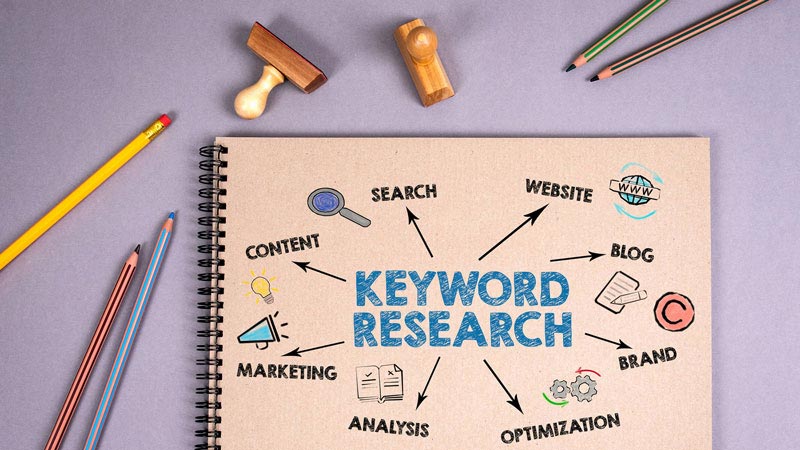
Keyword research helps identify the topics your audience is actively searching for.
Rather than targeting only high-volume keywords, look for opportunities across different stages of the customer journey.
A balanced keyword strategy includes:
- Informational searches
- Commercial investigation
- Transactional keywords
- Long-tail queries
This approach helps build a complete content ecosystem.
Step 4: Build Topical Authority
Instead of publishing isolated articles, organize your content into related topic clusters.
For example, a pillar page about search engine optimization can connect to supporting articles covering:
This structure helps search engines understand your expertise while improving internal navigation.
Step 5: Publish High-Quality Content Consistently
Consistency matters more than publishing large amounts of content.
Every article should provide clear answers, practical value, and original insights.
Over time, this creates a library of trusted resources that strengthens your authority within your niche.
Step 6: Monitor Performance
SEO is an ongoing process rather than a one-time project.
Track important metrics such as:
- Organic traffic
- Keyword rankings
- Click-through rate
- Indexed pages
- Core Web Vitals
- Conversions
Regular analysis helps identify opportunities for improvement.
Step 7: Continuously Improve
Search behavior changes.
Competitors publish new content.
Google updates its algorithms.
Review your content regularly, update outdated information, improve weak pages, and expand articles with fresh insights.
Continuous improvement is often what separates websites that maintain first-page rankings from those that gradually lose visibility.
An effective SEO strategy isn’t built around shortcuts. It’s built around consistently creating the most helpful, trustworthy, and technically sound website for your audience.
SEO Best Practices for Long-Term Success
SEO continues to evolve, but one principle has remained consistent: websites that provide the best experience and the most helpful information are the ones most likely to succeed.
Rather than chasing algorithm updates or quick wins, focus on building a website that deserves to rank.
Here are some SEO best practices that continue to deliver results.
1. Focus on Search Intent
Every search has a purpose.
Some users want to learn something, others want to compare products, and some are ready to make a purchase.
Before creating content, ask yourself:
- What is the user actually trying to accomplish?
- What type of page is currently ranking?
- How can I provide a more complete answer?
Content that satisfies search intent consistently performs better than content that simply targets keywords.
Learn more about Search Intent Analysis.
2. Create Comprehensive, Helpful Content
Publishing more articles doesn’t automatically improve SEO.
Instead, prioritize creating content that answers questions thoroughly while offering original insights, practical examples, and actionable advice.
Whenever possible, include:
- Real-world experience
- Screenshots or illustrations
- Examples
- Case studies
- Checklists
- Step-by-step instructions
The goal is to become the best available resource for the topic.
3. Build Topical Authority
Search engines increasingly evaluate websites based on their overall expertise rather than individual pages.
Instead of writing about unrelated subjects, develop clusters of content around your core niche.
For example, if your website focuses on SEO, supporting articles might cover:
- Keyword research
- Technical SEO
- On-page SEO
- Internal linking
- Website performance
- Content optimization
- AI search optimization
The stronger your topical coverage, the easier it becomes for search engines to recognize your expertise.
4. Improve User Experience
A positive user experience benefits both visitors and search engines.
Pay attention to:
- Fast loading pages
- Mobile responsiveness
- Clear navigation
- Readable typography
- Logical page structure
- Accessible design
Visitors should be able to find information quickly without unnecessary distractions.
5. Keep Content Updated
SEO isn’t a one-time activity.
Search trends change, statistics become outdated, and competitors publish new content.
Review important pages regularly to:
- Update outdated information
- Add new examples
- Improve explanations
- Expand sections
- Fix broken links
Fresh, accurate content remains valuable for both users and search engines.
Common SEO Mistakes to Avoid
Many websites struggle to rank, not because SEO is ineffective, but because they repeat common mistakes.
Avoiding these issues can significantly improve your long-term performance.
1. Targeting Keywords Instead of Users
Keywords are important, but they should never come before the reader.
Writing naturally while answering real questions creates better content than forcing keywords into every paragraph.
2. Ignoring Technical SEO
Even outstanding content may fail to rank if search engines can’t crawl or index it properly.
Regular technical audits help identify hidden issues before they affect visibility.
3. Publishing Thin Content
Pages with very little useful information rarely perform well.
Instead of publishing dozens of short articles, invest in comprehensive resources that thoroughly answer a topic.
4. Neglecting Internal Links
Every important page should connect naturally to related content.
Internal links improve navigation, strengthen topical authority, and help search engines understand your website.
5. Chasing Algorithm Updates
Google makes thousands of improvements to Search every year.
Rather than reacting to every update, focus on consistently creating helpful, trustworthy content.
Websites built around quality tend to perform better over time than those relying on shortcuts.
SEO in the Age of AI Search
Search is changing rapidly.
People no longer rely only on traditional search results. Many now ask questions through AI-powered experiences that generate direct answers using information gathered from trusted websites.
This shift doesn’t replace SEO. It expands it.
Modern optimization now involves making your content understandable not only for search engines but also for AI systems that summarize, recommend, and reference information.
1. From Keywords to Topics
Older SEO strategies often focused on ranking individual pages for individual keywords.
Modern SEO emphasizes topical authority.
Instead of publishing one article about SEO, build an ecosystem of related resources covering:
- Technical SEO
- Keyword research
- Link building
- Site architecture
- User experience
- Content optimization
- Search intent
This helps search engines and AI systems recognize your website as an authoritative source.
2. Entities Matter More Than Ever
Search engines increasingly understand information through entities rather than isolated keywords.
An entity is a clearly identifiable person, place, organization, concept, or thing.
For an article about search engine optimization, relevant entities naturally include Google Search, Google Search Console, Google Analytics, structured data, Core Web Vitals, search intent, backlinks, and E-E-A-T.
Using related concepts naturally helps search engines understand the context of your content more accurately.
3. Structured Content Helps AI
Clear headings, concise definitions, comparison tables, bullet points, FAQs, and logical organization make content easier for both humans and AI systems to interpret.
Well-structured content is more likely to be referenced in AI-generated answers because the information can be understood quickly and accurately.
4. Experience Builds Trust
Google encourages creators to demonstrate real experience alongside expertise.
Whenever possible, support your recommendations with:
- Original observations
- Practical examples
- Personal testing
- Real case studies
- Data-driven insights
Content grounded in real experience often provides greater value than content that simply repeats existing information.
Does SEO Still Work?
Yes.
SEO continues to be one of the most effective digital marketing strategies because people will always search for information, products, and services online.
What has changed is the definition of good SEO.
Success today is no longer determined by how many times a keyword appears on a page.
Instead, successful websites focus on:
- Solving real problems
- Demonstrating expertise
- Building topical authority
- Creating exceptional user experiences
- Publishing trustworthy information
- Continuously improving existing content
Businesses that consistently invest in these principles are well-positioned to earn sustainable organic visibility across both traditional search engines and AI-powered search experiences.
Final Thoughts
Understanding what search engine optimization is marks the beginning of a much larger journey.
SEO isn’t a checklist that can be completed once and forgotten. It’s an ongoing process of improving your website, understanding your audience, publishing valuable content, and adapting to changes in how people search for information.
The websites that succeed aren’t necessarily the ones with the biggest budgets. They’re the ones that consistently provide the most helpful answers, maintain strong technical foundations, and earn trust over time.
Whether you’re building a personal blog, an e-commerce store, or a business website, investing in a thoughtful SEO strategy can generate long-term organic visibility that continues to grow year after year.
As search evolves through artificial intelligence, conversational search, and new user behaviors, one principle remains unchanged: creating genuinely helpful, trustworthy content will always be at the heart of successful SEO.
If you’re ready to improve your website’s performance, explore our in-depth SEO guides, technical tutorials, and practical resources here on SEO FOR TODAY to continue building your knowledge and growing your organic presence.